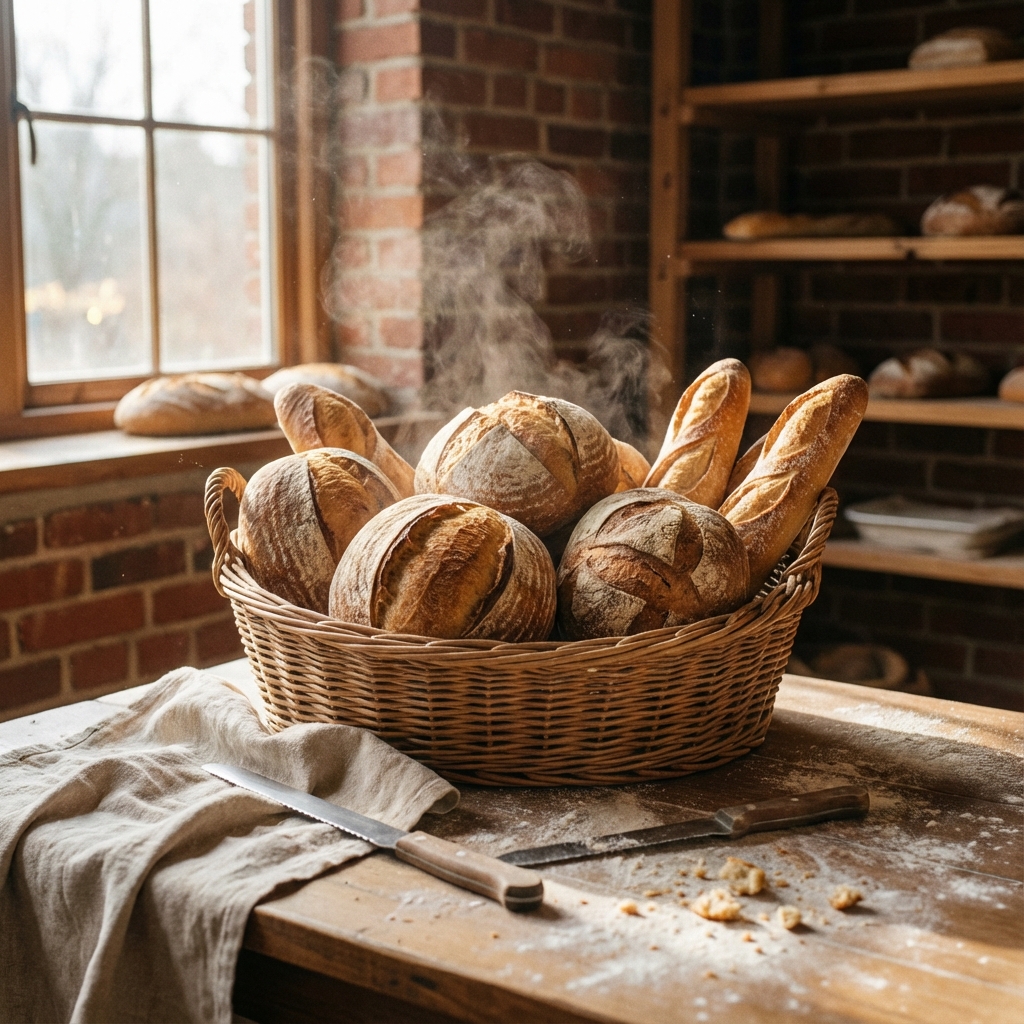
Mrs. Murphy hadn’t left her apartment in three months.
It wasn’t that she couldn’t, her legs worked fine, and the elevator was reliable. It was that the world outside had become too loud, too fast, too full of reminders of her husband, who had walked those streets with her for forty years.
So she stayed inside. Ordered groceries. Let the walls keep her safe.
The delivery driver was always the same: a young man named Tyler who left bags at her door and texted when they arrived.
Until one day, he knocked.
*
“Are you okay in there?” Tyler’s voice was muffled through the door. “You haven’t ordered bread in two weeks. You always order bread.”
Mrs. Murphy stood on the other side, surprised enough to answer. “I didn’t need any.”
“Are you eating?”
“That’s not your business.”
“No,” Tyler agreed. “But you’re my regular. And my grandma loved bread too. I noticed when she stopped ordering.”
There was a pause. Then, softer: “What happened to your grandma?”
“She died. I wish I’d knocked more.”
Mrs. Murphy cracked the door open, just a bit.
Tyler was younger than she’d expected, barely twenty, wearing the green uniform of the delivery service and a worried expression.
“I’m not dying,” she said. “I’m just… tired.”
“Tired’s allowed. But bread helps.” He held up a loaf. “This is from my bag. I get a free lunch. Today it’s yours.”
She didn’t know what to say. She took the bread.
“Tomorrow,” Tyler said. “I’ll check in tomorrow.”
*
He did. And the next day, and the next.
Sometimes he just knocked and waved through the peephole. Sometimes he brought bread, his lunch, her lifeline. Sometimes they talked through the door for twenty minutes while his delivery app beeped angrily.
“You’re going to get fired,” Mrs. Murphy said.
“They need drivers. They can’t afford to fire anyone.”
“You should care about your job.”
“I do. But I care about people more.”
*
After a month, she opened the door.
Not to take bread, to offer tea.
“My husband used to make it,” she said, as Tyler settled into a chair. “I never got it quite right.”
“Tastes perfect to me.”
“You’re being kind.”
“I’m being honest.” He looked around the apartment: the photos on every surface, the afghan on the couch, the books stacked everywhere. “This was his chair, wasn’t it?”
“Forty-three years. He sat here every evening.”
“I’m honored.”
*
Tyler became a fixture.
He visited after his shift, did small repairs, ate Mrs. Murphy’s cooking and exaggerated his compliments just enough to make her laugh.
In return, she helped him with college applications. She’d been a teacher before her husband’s retirement, before the grief, and she still knew how to shape a sentence.
His acceptance letter arrived on a Tuesday.
“Full scholarship,” Tyler said, reading it for the fifth time. “I’m going to college.”
“Because you earned it.”
“Because you helped.”
“Because you knocked.”
*
On the last day before Tyler left for school, Mrs. Murphy did something she hadn’t done in over a year: she went outside.
Tyler drove her to the harbor, where she and her husband had walked every Sunday.
She stood at the railing, feeling the salt air, watching the boats, remembering. It hurt. It also healed.
“Thank you,” she said.
“For what?”
“For not giving up on me. For the bread. For everything.”
Tyler hugged her, a real hug, the kind she hadn’t had since her husband died.
“You’ll write to me, right?” he asked.
“Every week. And I’ll send bread recipes.”
*
Mrs. Murphy started leaving her apartment more often after that.
Every Sunday, she walked to the harbor. Every Tuesday, she baked bread for her neighbors. And every week, she wrote to Tyler, long letters full of advice and recipes and the small observations of a life that was finally, cautiously, beginning again.
She was still tired sometimes. Still missed her husband every single day.
But she wasn’t alone anymore. And that made all the difference.
